Educational insights into nutrition, micronutrients, and making informed choices about food supplements
Explore the KnowledgeDietary supplements are products designed to complement your daily food intake. They contain nutrients such as vitamins, minerals, or plant-based components that may support nutritional balance when dietary variety is limited. Understanding their place in your routine helps you make informed decisions.
Food supplements, also known as dietary supplements, are concentrated sources of nutrients or other substances with a nutritional purpose. They come in various forms including tablets, powders, and liquids, and are intended to supplement the normal diet.
These products are not substitutes for a varied and balanced diet. They work best as part of an overall approach to nutrition that includes diverse whole foods, regular physical activity, and adequate rest.
Dive deeper into the topic


Vitamins are organic compounds that your body needs in small amounts for various functions. There are 13 essential vitamins, each playing unique roles in maintaining everyday bodily processes.
While most people can obtain adequate vitamins through a varied diet rich in fruits, vegetables, whole grains, and proteins, some individuals may benefit from supplementation depending on their dietary patterns, life stage, or specific circumstances.
Minerals are inorganic elements that come from soil and water and are absorbed by plants or eaten by animals. Your body needs certain minerals to build strong bones, maintain fluid balance, and support numerous metabolic processes.
Major minerals include calcium, phosphorus, magnesium, sodium, potassium, and chloride. Trace minerals, needed in smaller amounts, include iron, zinc, selenium, copper, and iodine. Each plays specific roles in maintaining bodily functions.
Unpack the concept furtherBeyond vitamins and minerals, plants contain numerous compounds that have been studied for their potential roles in nutrition. These include polyphenols, flavonoids, carotenoids, and other phytonutrients found naturally in fruits, vegetables, herbs, and spices.
A diet rich in plant-based foods provides a wide array of these components. Some dietary supplements incorporate concentrated plant extracts, offering an additional way to include these substances in your routine alongside whole food consumption.
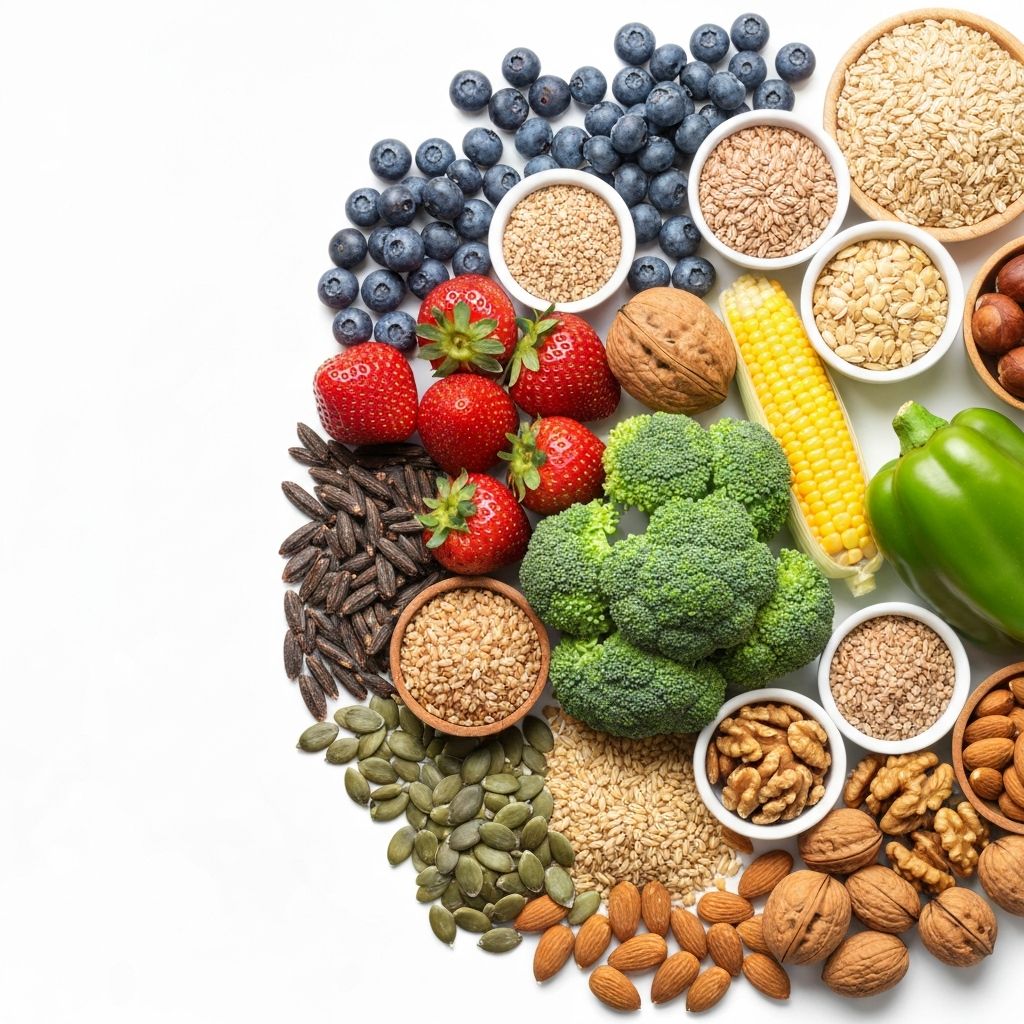
Dietary diversity remains the cornerstone of good nutrition. Eating a wide range of foods from all food groups ensures you receive various nutrients in their natural forms, along with fiber and other beneficial compounds.
Supplements may serve as a complement when dietary variety is challenging to achieve due to lifestyle factors, food preferences, or specific life stages. They are not intended to replace whole foods but rather to fill potential gaps.
Expand your understandingA balanced lifestyle encompasses more than just what you eat. Physical activity, adequate sleep, stress management, and hydration all work together to support your overall wellbeing.
When considering dietary supplements, it's helpful to view them within this broader context. They're one element of a comprehensive approach that includes mindful eating, regular movement, and sufficient rest.
Understanding supplement labels helps you make informed choices. Labels typically include the ingredient list, amounts per serving, and percentage of reference intakes where applicable.
Taking time to read labels allows you to understand what you're consuming and helps ensure the product aligns with your nutritional approach.
Consultants in nutrition and lifestyle can provide personalized insights based on your individual dietary patterns, food preferences, and lifestyle factors. They offer educational guidance to help you navigate nutritional choices.
These professionals can help you understand which nutrients you may be getting adequately from food and where supplementation might be worth considering. They focus on sustainable, balanced approaches rather than quick fixes.
Follow the explanation step-by-stepSmall, consistent habits often have more impact than dramatic changes. Building a sustainable approach to nutrition involves practical steps you can maintain over time.
Planning meals in advance helps ensure dietary variety and reduces reliance on convenience foods.
Adequate water intake supports numerous bodily functions and aids nutrient absorption.
Consistent meal timing helps maintain energy levels throughout the day.
Being aware of your food choices and their nutritional value supports informed decision-making.
Our platform offers various educational materials to help you understand the role of different micronutrients in daily nutrition. These resources explain how vitamins and minerals function in the body and which foods provide them naturally.
Topics covered include nutrient interactions, factors affecting absorption, and how different life stages may influence nutritional needs. All content is presented for educational purposes.
See examples in contextExplore more about how dietary supplements fit into a balanced approach to daily nutrition and lifestyle choices.
Explore related knowledge